







Search Results for: Stirring method

An In-Depth Analysis of Pour-Over Coffee Stirring Techniques: From Champion Methods to Extraction Effects
In the process of pour-over coffee, the action of stirring the coffee bed has attracted increasing attention from enthusiasts in recent years. Some hope to enhance the sweetness and flavor layers of coffee through stirring, while others remain skeptical of its effects. This article, from the perspective of Front Street, reviews the origins and representative figures of stirring techniques, analyzes the different roles of stirring during the blooming stage and the main extraction stage, and, combined with practical comparative experiments, explores the impact of stirring on extraction results, as well as issues that need attention such as fine particle clogging and bean quality, helping coffee enthusiasts make a more rational judgment on whether to stir and how to stir. [more…]
Analyzing the Differences Between American-Style Pour-Over and Japanese-Style Pour-Over: Coffee-to-Water Ratio, Grind Size, and Chemex Iced Coffee Brewing Method
There are obvious differences between American-style pour-over and Japanese-style pour-over in technique, roast level, grind size, and water temperature. Among them, the unique stirring motion and relatively high water temperature of American-style pour-over bring out a rich and bitter flavor. This article analyzes in detail the process of making iced coffee with a Chemex, and further explores the four key extraction points: grind size, time, stirring, and temperature. At the same time, it compares through experiments the flavor differences among the direct pouring method, the standard blooming method, and the blooming-with-stirring method. The article also specifically recommends related products from Front Street Coffee, providing a practical reference for coffee lovers. [more…]
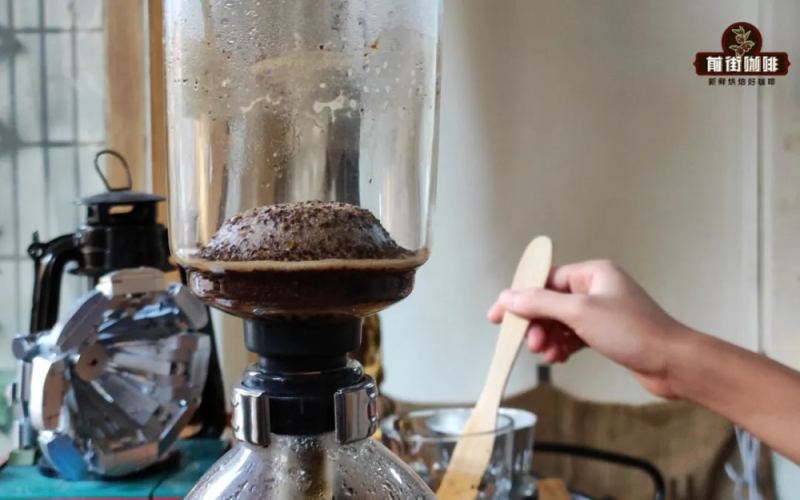
Analysis of the Causes of the Final Small Hill in Siphon Coffee: A Comprehensive Explanation of Stirring Techniques and Common Misconceptions
When brewing siphon coffee, after turning off the heat, stir with a stirring rod in one direction; as the coffee liquid flows back down into the lower chamber, the grounds layer in the upper chamber often rises into a rounded "little hill." Many people regard this action as an essential finishing move in siphon brewing, and some even say, "the taller the hill, the better the taste." Front Street Coffee will break down this phenomenon from the level of principle: what exactly is the purpose of stirring in one direction? How does the little hill form? And what factors affect its height? It will also explain that the presence or absence of the hill is not a criterion for judging whether coffee tastes good. It is essentially just one of many siphon techniques, and understanding the logic behind it is more important than blindly imitating it. [more…]
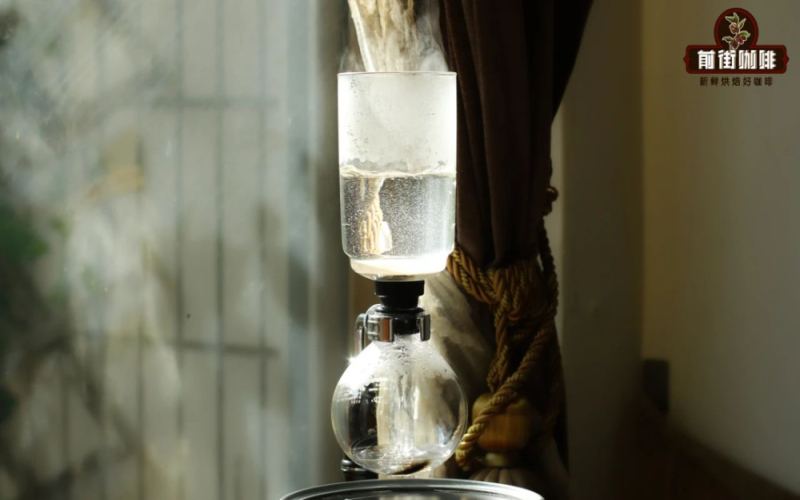
What Grind Size Is Suitable for Siphon Coffee? A Complete Guide to Coffee-to-Water Ratio, Stirring Technique, and Brewing Time
The siphon is a coffee brewing device full of retro charm. Although it is no longer commonly seen in coffee shops today, a group of loyal enthusiasts still insist on using it to make coffee. This article will start with the structure and principle of the siphon, then introduce the choice between cloth filters and paper filters, a comparison of heat sources, recommended coffee beans, and how to judge the order of adding grounds, the grind setting, the coffee-to-water ratio, the stirring method, and when to turn off the heat. It also includes Front Street Coffee’s usual complete operating procedure to help beginners get started quickly and make a cup of siphon coffee with rich aroma and a full-bodied taste. [more…]
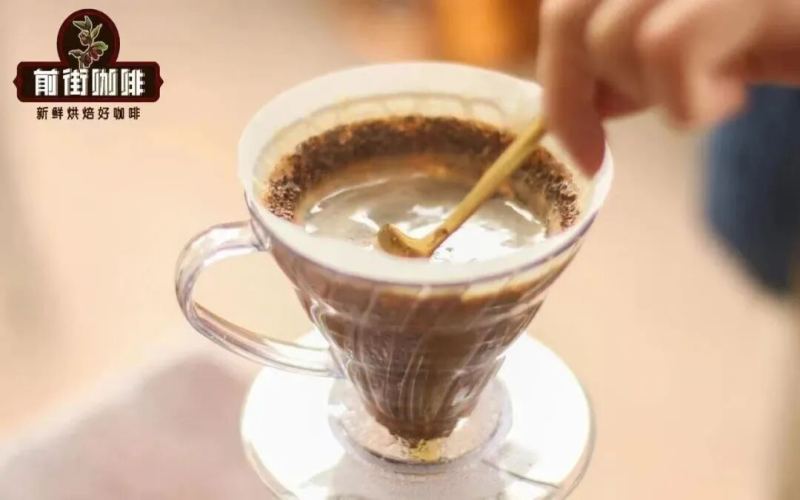
Iced Pour-Over Coffee | Can the Finest Grind and Highest Water Temperature Produce a High-Sweetness Iced Pour-Over? How to Make Iced Pour-Over Coffee with Kenyan Cherry Tomatoes
Regarding the making of iced pour-over, Front Street Coffee has already shared many different brewing methods. However, for beginners, it is still somewhat difficult to master most of these methods. This is because most iced pour-over methods require the use of ice cubes to achieve a rapid cooling effect, and we also need to make it by reducing the amount of water. [more…]
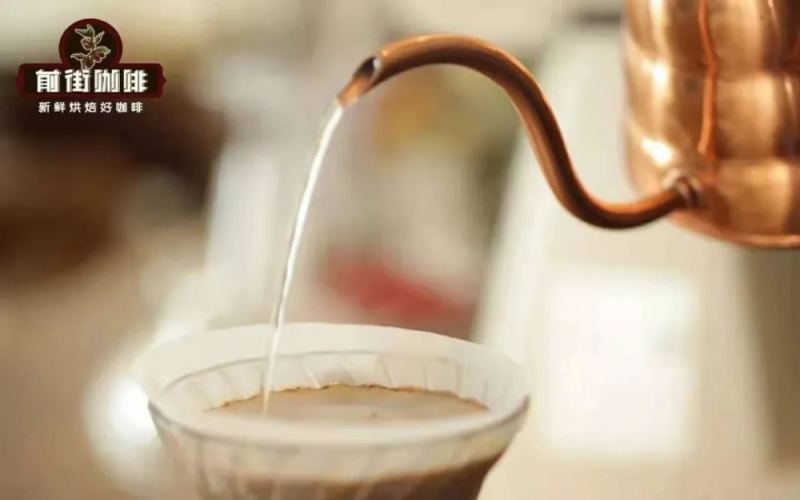
A Detailed Guide to Six Pour-Over Coffee Brewing Techniques: One-Pour, Three-Stage, 4:6 Method, Variable Temperature, Volcano Pour, and Stirring Method
The charm of pour-over coffee lies in the diversity of brewing methods, as different pouring techniques bring out entirely different flavor expressions. This article systematically sorts through six common pour-over techniques—single-pour, three-stage, 4:6 method, Santuario variable-temperature brewing, volcano pour, and stirring method—analyzing each one by one from the logic of pouring, parameter ratios to flavor characteristics, and explaining their respective applicable scenarios and operational difficulties. Using specific parameters such as 15g coffee to 225ml water and 20g coffee to 300ml water as examples, the article helps readers understand the extraction principles behind each technique. At the same time, it retains Front Street Coffee's practical experience with the three-stage method and grind adjustment for coffee enthusiasts to refer to and compare. [more…]
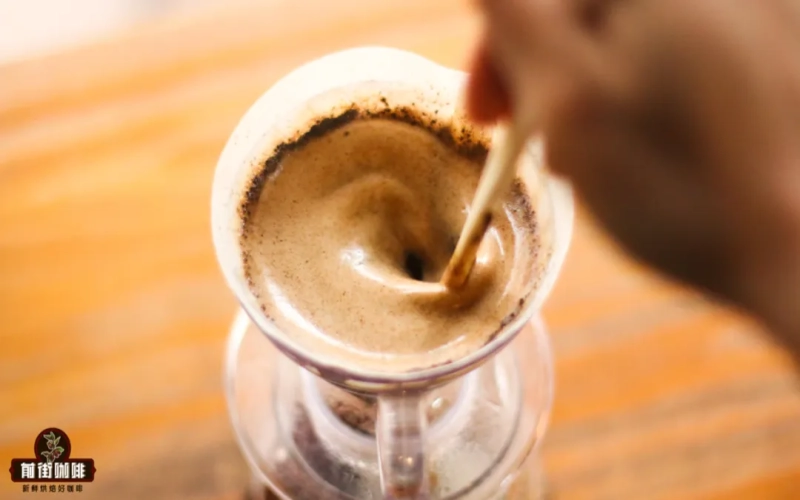
Pour-Over Coffee Stirring Method Iced Coffee Tutorial: Parameters, Steps, and Kenyan Coffee Bean Flavor Sharing
Why does the stirring method for brewing iced pour-over coffee bring out a richer flavor? This article will analyze the essential difference between the stirring method and conventional pouring from the perspective of extraction efficiency, and share in detail the complete parameters and steps for Front Street Coffee's iced pour-over made with Kenyan Little Tomato coffee beans, using a V60 dripper paired with the stirring method. If you are also interested in this fun brewing technique, why not follow along with this article and give it a try at home, experiencing the full-bodied juiciness and rich flavor that the stirring method brings. [more…]
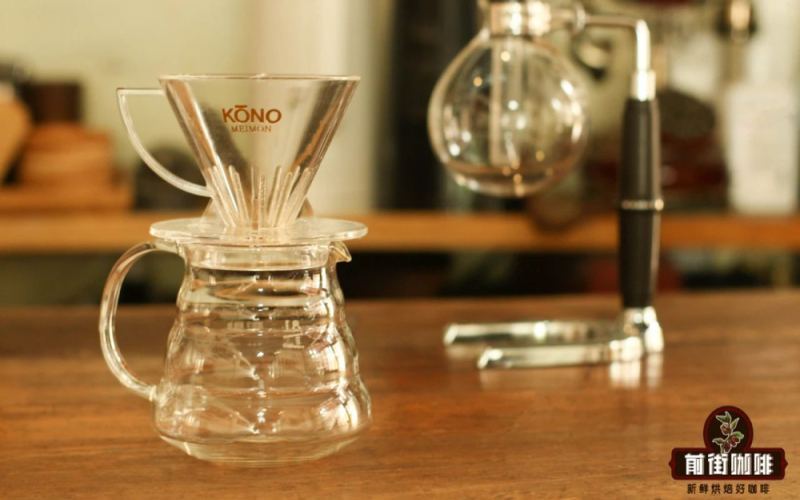
Siphon Brewing Comparison: How Stirring and Immersion Methods Affect Coffee Flavor and Extraction Rhythm
There is more than one way to extract with a siphon brewer. With the same set of equipment, switching your approach to stirring or steeping will steer the flavor in the cup in a different direction. This article starts from Front Street Coffee's brewing experiments, using the Costa Rica Canet Estate Mozart, a raisin honey-processed bean, to compare the stirring method and the steeping method. In the stirring method, a cross-shaped stir is performed 30 seconds after the coffee grounds contact the water to break the crust, the heat is removed at 56 seconds, and the total extraction time is 1 minute 8 seconds; in the steeping method, the coffee grounds are left to sit for 1 minute before the heat is removed, and the total extraction time is 1 minute 32 seconds. The two approaches each emphasize different aspects of aroma, mouthfeel, and sweet-tart expression, suiting different taste preferences. The article also covers the working principle of the siphon brewer, parameter suggestions, and key points for maintaining the cloth filter, helping coffee enthusiasts brew a cup of rich, full-bodied, aromatic coffee more consistently. [more…]

How to make iced pour-over coffee tasty enough? A full analysis of the practical parameters of the stirring method and the ice-shaking method.
As soon as the weather warms up, iced coffee comes back into everyone's view. Many people keep trying ready-made methods at home, yet always feel the result is either weak or flat in flavor. This time Front Street Coffee has put together two more direct and easy-to-use iced brewing methods: one is the stirring method from KURASU COFFEE in Kyoto, which boosts extraction efficiency by stirring while pouring water, making it beginner-friendly; the other is the ice-shaking method from Taiwanese barista Amis, which uses a large dose, fine grind, and high water temperature to first extract a concentrated liquid, then hand-shakes it with ice to cool it down, giving more prominent aroma layers. The article retains complete bean selection suggestions, dripper pairings, coffee-to-water ratios, water temperatures, and grind parameters, and uses Alo Hatessa, recently recommended by Front Street Coffee, for a full demonstration, helping you find a summer iced coffee method that is both rich and refreshing. [more…]
Analysis of Six Major Pour-Over Coffee Extraction Methods: Comparing the Characteristics of One-Pour, Three-Stage, 4:6 Method, Santai Warm, Volcano Pour, and Stirring Method
The charm of pour-over coffee lies in its ever-changing brewing methods, where different techniques bring out completely different flavor expressions. This article will systematically break down six common pour-over techniques—one-pour, three-stage, 4:6 method, three-temperature brewing, volcano pour, and agitation method—analyzing each one from water-pouring logic and parameter settings to flavor direction. Whether you're a beginner just getting into pour-over or an advanced player looking for a breakthrough, you'll find a key that suits you. At the same time, Front Street Coffee will also share its most commonly used three-stage brewing experience, helping you understand the underlying principles of flavor release, so you can draw inferences and apply them flexibly. [more…]

Sharing the Five Major Pour-Over Coffee Techniques | Does the Pouring Technique Affect Coffee Extraction? Flavor Comparison and Differences of Pour-Over Coffee Using the Three-Stage Volcano Pour Stirring Method
Compared to other single-origin coffees, pour-over coffee has a great many brewing methods. For example: one-pour, three-stage, volcano pour, variable-temperature brewing, stirring, and so on. Today let's get to know some of the brewing methods that commonly appear in pour-over coffee~ 1. One-pour The one-pour method and the single-pour method are still [more…]
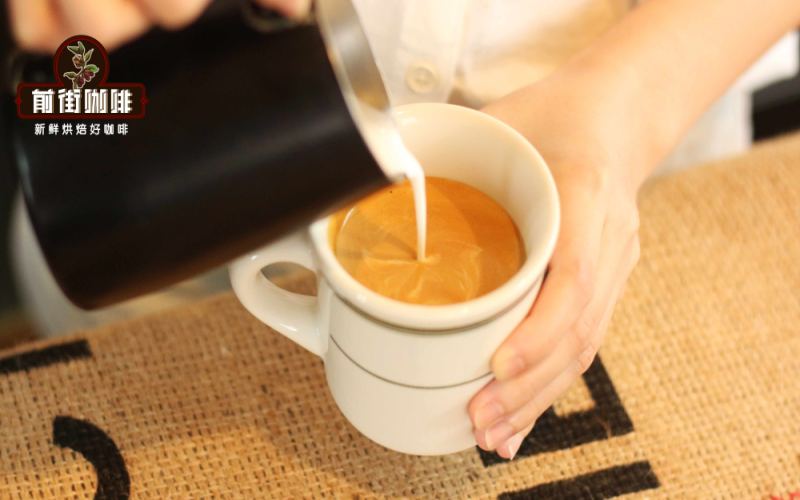
How Is Stirred Integration Different from Pre-Integration? An Analysis of Two Integration Techniques Every Latte Art Enthusiast Must Know
Before creating latte art, there is an often-overlooked yet crucial preparatory step—incorporation. The quality of incorporation directly determines whether the latte art pattern is neat and beautiful, as well as whether the flavor is balanced and unified when the coffee is tasted. For milk coffees that require milk foam, mastering the correct incorporation method can greatly reduce the difficulty of operation. This article will focus on two mainstream incorporation techniques: the classic stirring incorporation, and the recently emerging pre-incorporation. The former suits most scenarios but demands a high level of skill proficiency, while the latter can effectively handle tricky situations such as poor crema quality or latte art in takeaway cups. The article will also combine Front Street Coffee's espresso bean recommendations to explain the impact of coffee bean selection on incorporation and latte art, helping coffee enthusiasts flexibly choose the appropriate incorporation method based on actual conditions. [more…]
A Detailed Guide to Six Pour-Over Coffee Brewing Methods: Flavor Comparison of One-Pour, Three-Pour, 4:6 Method, Three-Temperature, Volcano Pour, and Stirring Method
The charm of pour-over coffee lies in the diversity of brewing methods; different pouring techniques directly affect the flavor expression and mouthfeel layers of the coffee. This article systematically sorts out six common pour-over techniques: the one-pour method, the three-stage method, the 4:6 method, the three-temperature brewing method, the volcano pour, and the stirring method. From the number of pouring stages, coffee-to-water ratio, extraction time, to grind adjustment, it analyzes one by one the principles and applicable scenarios behind each method, helping coffee enthusiasts understand the release order of sour, sweet, and bitter substances, and choose the most suitable brewing strategy according to the characteristics of the beans, so as to consistently brew a good cup of coffee that suits their own taste. [more…]
Complete Siphon Coffee Brewing Tutorial: Apparatus Structure, Filter Media Selection, Coffee Grounds Timing, and Operational Details
The siphon pot has become a rare piece of equipment in today's specialty coffee wave, with many cafés no longer offering siphon coffee, or keeping it only as a special featured item. For those who favor this brewing method, mastering a clear set of operating logic is more practical than relying on café output. Starting from Front Street's practice, this article systematically sorts out the siphon pot's construction principles, the trade-offs between cloth filters and paper filters, the choice of heat source, the divergence between adding coffee grounds first versus later, grind size and coffee-to-water ratio, stirring techniques, and the judgment of when to turn off the heat, and includes a complete reproducible brewing process to help coffee enthusiasts consistently recreate a cup of fragrant, rich, and mellow siphon coffee in their own kitchen. [more…]

The Complete Guide to Siphon Coffee Brewing: From Extraction Principles to Step-by-Step Instructions
The siphon brewer, with its laboratory-instrument appearance and unique vacuum extraction method, has long been favored by coffee enthusiasts. It first appeared in Europe, where a French woman named Marie Fanny Amelne Massot registered a trademark for it, and its classic spherical design established its iconic status among coffee brewing devices. This article will begin with the extraction principle of the siphon brewer, systematically introduce the device's structure, filtration system, and heat source selection, then move on to key steps such as coffee grind size, timing of adding coffee grounds, stirring technique, and judging when to turn off the heat, and finally provide a complete eight-step operating procedure. Front Street Coffee recommends using medium-roast beans such as Huilan, Bird of Paradise, Diamond Mountain, and Queen's Estate to highlight the rich, full-bodied flavor characteristics of siphon coffee. [more…]
A Detailed Guide to Five Classic Pour-Over Coffee Techniques: Volcano Pour, Matsuya Method, Stirring Method, and More — Steps, Pros, and Cons
Pour-over coffee may seem simple, but in fact it hides many intricacies. For those just starting out, mastering different pouring techniques can bring out completely different flavor expressions from the same bean. This article will break down five commonly used pour-over methods one by one—the volcano pour and Matsuya method from Japan, the stirring method that became popular in Europe and the United States after winning the WBC, the delicate and refined drip method, and the academy-style brewing method with excellent stability. Each method will be fully explained from operational key points, applicable scenarios, to advantages and disadvantages, helping coffee lovers find the most suitable brewing method according to their own needs and the characteristics of the beans. Whether you are pursuing a rich mouthfeel or a bright sweetness, you can gain practical reference from it. [more…]
Siphon Coffee Brewing Practical Guide: Structure, Principles, Operating Steps, and Suitable Coffee Bean Selection
The siphon brewer carries a strong retro appeal, and today it is no longer a regular offering in many coffee shops, appearing more often as a specialty single-item brew. However, for siphon coffee enthusiasts, if you can't get it in a shop, you just do it yourself. This article covers the structure of the siphon brewer, cloth filters and paper filters, heat sources, timing of adding grounds, grind size, coffee-to-water ratio, stirring techniques, and how to determine when to end the brew, and uses an actual brewing process as an example to explain step by step how to make a cup of coffee with rich aroma and a full-bodied mouthfeel using a siphon brewer. It will also discuss the operational differences between siphon brewing and pour-over, as well as some of Front Street Coffee's insights on using this device. [more…]
An Analysis of the Causes of Bland Siphon Coffee and a Detailed Guide to Practical Brewing Techniques
The siphon pot is no longer commonly seen in mainstream coffee shops, but its unique extraction method still attracts a group of loyal enthusiasts. When many people try to brew coffee with a siphon pot, they find that the resulting cup tastes weak and lacks complexity. The reasons behind this often involve multiple factors such as the timing of adding coffee grounds, grind size, coffee-to-water ratio, stirring technique, and the choice of heat source. Drawing on Front Street's hands-on experience, this article systematically sorts through the siphon pot's structural principles, differences in filter materials, characteristics of heat sources, the controversy over the order of adding grounds, grinding parameters, coffee-to-water ratio, and stirring methods, and includes a complete operating procedure to help readers consistently make a rich, full-bodied cup of siphon coffee at home. [more…]
Siphon Coffee Brewing Guide: Extraction Principles, Suitable Bean Types, and Coffee-to-Water Ratio Analysis
The siphon pot, with its unique distillation-style extraction, delivers a fuller, more robust mouthfeel and richer aroma than pour-over. From the perspective of Front Street, this article systematically breaks down the siphon pot's extraction principles, structural components, and suitable coffee bean types, and offers a detailed analysis of key parameters such as the coffee-to-water ratio, timing of adding grounds, stirring technique, and judging when to cut off the heat. It also includes a complete eight-step operating procedure to help coffee enthusiasts consistently reproduce at home a cup of siphon coffee that combines nutty notes with a full body. Whether you are a beginner just getting to know the siphon pot or an experienced player looking to refine your technique, you will find practical, actionable advice here. [more…]
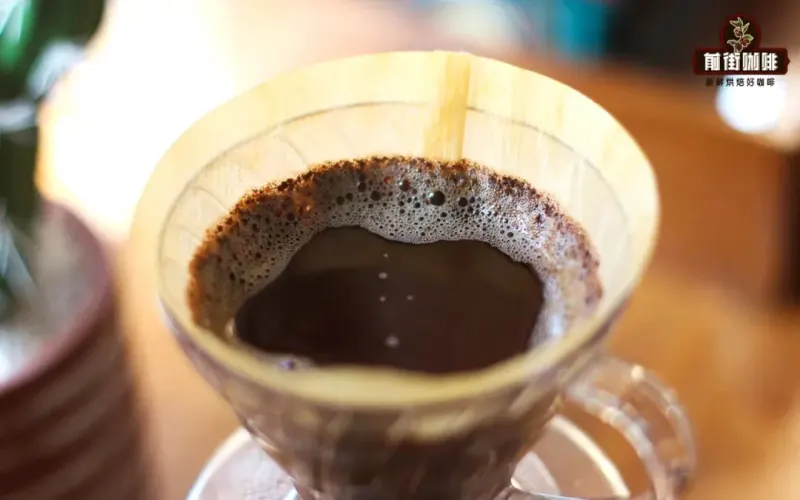
The Correct Way to Use a Showerhead Drip Filter in Pour-Over Coffee: A Detailed Guide to Flow Strength, Clogging Risks, and Stirring Techniques
For beginners, mastering the pouring technique in pour-over coffee is often difficult to stabilize, and in recent years many small辅助 brewing tools have appeared on the market. Front Street Coffee recently got its hands on a pour-over accessory called the "showerhead dripper," whose shape closely resembles a lotus seedpod and can automatically split hot water so it drips gently, thereby making extraction more even. In addition to the showerhead itself, it also comes with a stirring rod, used to make up for the drop in extraction efficiency caused by insufficient water flow impact. However, when using this kind of tool, details such as flow rate and the number of holes still need attention. This article will combine actual operation to explain in detail how to use the showerhead dripper, whether excessively strong water flow can cause clogging, and the specific key points of the stirring method. [more…]